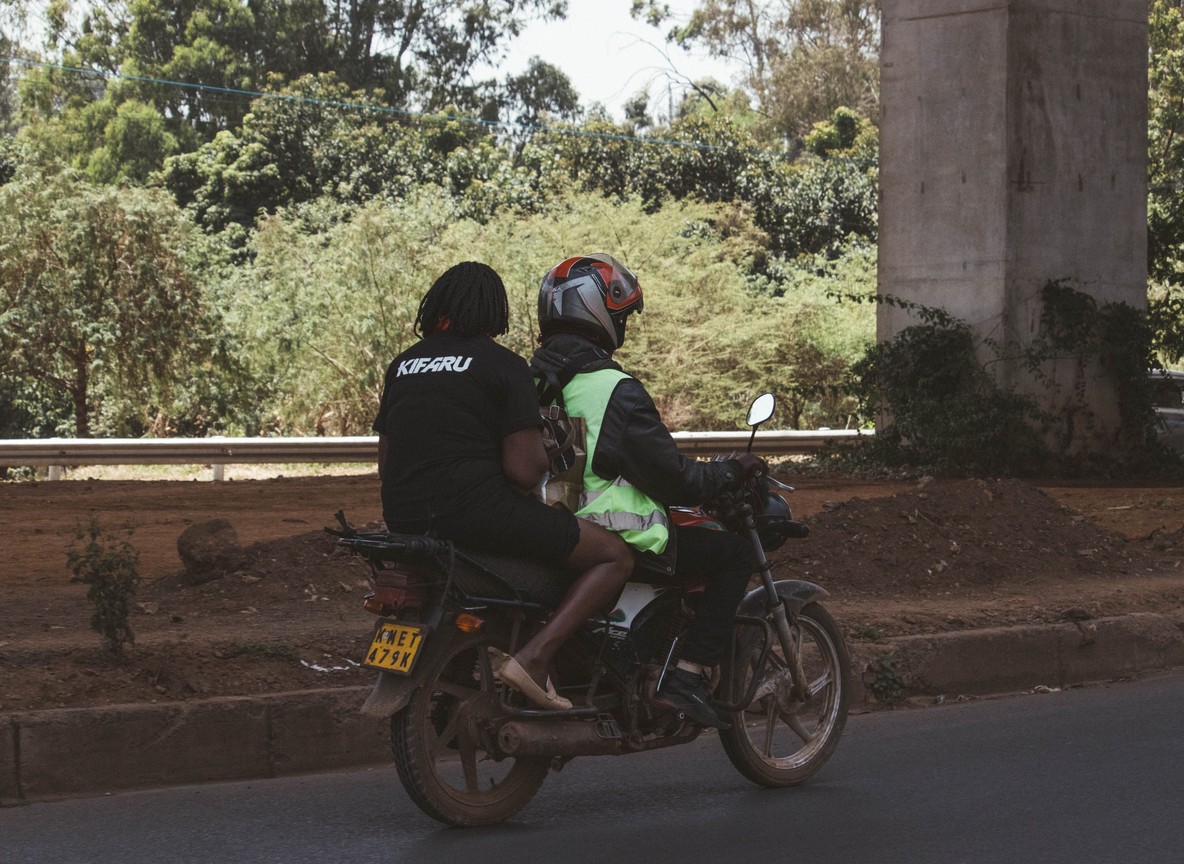
Most Kenya safaris start and end with a night or two in Nairobi, and for a solo woman that stopover raises more questions than the safari itself. Which parts of the city are actually fine to walk around, and which ones are not? Is a taxi from the airport safer than an app-based ride? Touring Insights pulled together a district-by-district and transport-by-transport answer, built around what actually matters for a solo traveler bridging a flight and a safari transfer.
Nairobi is not uniformly risky or uniformly safe. Like any capital city of roughly 4.4 million people, safety depends heavily on which neighborhood you are in, what time it is, and how you move between places. The good news is that the areas most safari travelers actually need, airport, upmarket suburbs, and a handful of safari-lodge districts, are also the lower-risk ones.
The Short Answer: Yes, With Planned Transport
Nairobi is manageable for a solo female traveler doing a one or two night pre- or post-safari stopover, provided you avoid walking alone after dark and use booked transport rather than hailing on the street. The city’s biggest real risks for tourists are petty theft (phone snatching, bag slashing) and traffic, not violent crime aimed at travelers. Most solo female travelers who plan their transfers and stick to the neighborhoods below report an easy, low-drama stopover.
The exception is downtown Nairobi’s Central Business District after dark, and any unplanned walking between neighborhoods at night. Both are avoidable with a little routing.
Nairobi Districts: A Quick Safety Reference
| Area | Distance from JKIA | Typical Traveler Use | Daytime Walking | Night Safety Note |
|---|---|---|---|---|
| Karen | approx. 25 km, 40-50 min drive | Hotels near Giraffe Centre, Karen Blixen Museum, safari lodge cluster | Generally fine on main roads | Use a booked car after dark; leafy and quiet, few pedestrians |
| Westlands | approx. 14 km, 25-35 min drive | Malls, restaurants, mid-range hotels | Fine in daylight along main streets | Well-lit and busy; still book transport late at night |
| Lavington | approx. 12 km, 25-30 min drive | Boutique hotels, residential guesthouses | Fine on main roads | Quiet residential streets; avoid walking alone after dusk |
| Kilimani | approx. 10 km, 20-30 min drive | Apartments, serviced hotels, cafes | Fine in daylight | Improving but uneven lighting; use a car at night |
| Upper Hill | approx. 8 km, 20-25 min drive | Business hotels near the CBD | Fine on main roads by day | Quiet after office hours; take a car, not a walk |
| CBD (Central Business District) | approx. 16 km, 25-40 min drive | Banking, some budget hotels, transport hubs | Fine by day, stay alert with bags | Avoid walking here after dark; pickpocketing risk is highest |
| Jomo Kenyatta International Airport (JKIA) | 0 km | Arrival and departure point | N/A | Well-secured; use the official taxi rank or a pre-booked pickup |
Distances and drive times are indicative and vary with Nairobi traffic, which can double a trip time during the 7-9am and 5-7pm rush windows.
Getting From JKIA: Your First Transport Decision
The airport transfer is the single highest-stakes safety decision of a Nairobi stopover, because it happens when you are jet-lagged, carrying visible luggage, and unfamiliar with the road layout. Three options work reliably.
A pre-booked hotel or lodge transfer is the safest default. Most Karen and Westlands hotels catering to safari travelers offer this, typically in the indicative range of $20 to $40 for a JKIA transfer, and the driver waits at arrivals with a name board. A licensed airport taxi from the official JKIA taxi rank, just outside the arrivals hall, is the second-best option; agree the fare before getting in, since these are metered inconsistently. Uber and Bolt both operate at JKIA from a designated pickup zone and are generally reliable for solo women, with the added safety layer of a driver name, photo, and trip tracking inside the app. Avoid any driver who approaches you inside the terminal offering a ride; legitimate drivers wait at the designated rank or pickup zone, not inside baggage claim.
Uber, Bolt, or Traditional Taxi: Which Is Actually Safer
For a solo woman, app-based rides generally edge out street-hailed taxis on safety, mainly because of the paper trail. Uber and Bolt both show the driver’s name, photo, license plate, and route in real time, and you can share your trip status with someone before you get in. Street taxis in Nairobi are not regulated the way app rides are, and fare negotiation before the ride starts can leave you standing on a curb longer than you would like after dark.
That said, app rides are not risk-free. Confirm the license plate matches the app before entering, sit in the back seat, and avoid sharing your hotel name loudly if the car is not yet confirmed. Many solo female travelers also use a simple rule: no app rides between 10pm and 6am unless a hotel or lodge has arranged the driver directly.
Walking Solo in Nairobi: Where It Works and Where It Doesn’t
Daytime walking is genuinely fine in Karen, Westlands, Lavington, and around the major malls, as long as you keep bags zipped and phones out of back pockets, the most common theft target for tourists. The Nairobi National Museum, Giraffe Centre, and Karen Blixen Museum all sit in walkable, low-risk daytime areas.
Avoid walking solo, day or night, through the CBD’s bus stages (matatu terminals), which are dense, chaotic, and where most tourist phone-snatching incidents concentrate. After dark, the safest rule across every neighborhood, including the leafy ones, is to book a car rather than walk, even for a five-minute stretch. Nairobi’s suburbs are quiet at night in a way that can feel safe but actually means fewer people around to help if something goes wrong.
Pre-Safari vs Post-Safari Stopovers: Different Risk Profiles
A pre-safari night in Nairobi usually means arriving jet-lagged with all your luggage and cash for the trip ahead, so the priority is a short, direct, pre-booked transfer straight to a Karen or Westlands hotel and an early night. A post-safari stopover carries less luggage risk but more fatigue, and this is when travelers are most likely to skip precautions because the trip already felt safe. Keep the same transport rules on both ends. The risk does not drop just because the safari went well.
What to Read Next
- Weighing a women-only departure over a solo trip? See our guide to women-only group safaris in Kenya.
- Packing for the climate swing between Nairobi and the bush? Check our safari packing list for women.
- Planning the rest of your route through the capital? Read our 48-hour Nairobi stopover guide for sites, drive times, and entry fees.
Explorer Notes

Save your hotel or lodge’s front desk number as a local contact the moment you land, not after you need it. Most Karen and Westlands properties will happily call you a vetted taxi at 11pm if their own transfer service is not running, and a saved contact means you are not searching for a number with 2% battery left.
If your itinerary includes a same-day fly-out to a safari camp, ask your lodge whether they can arrange the JKIA-to-Wilson Airport transfer as one booking. Wilson Airport, where most light-aircraft safari flights depart, sits about 11 km from JKIA, roughly a 25 to 35 minute drive depending on traffic, and doing that leg as a single pre-arranged transfer removes an entire extra transport decision from a day when you are already juggling bags and boarding passes.
Frequently Asked Questions
Is Nairobi safe for a solo female traveler for one night? Yes, for most travelers, provided you use booked transport rather than walking or street-hailing after dark and stay in an established area like Karen, Westlands, or Lavington.
What is the safest area to stay in Nairobi as a solo woman? Karen and Westlands are the two most common choices for safari travelers, both offering hotels used to arranging airport transfers and both quiet enough for daytime walking.
Is Uber safe for solo female travelers in Nairobi? Generally yes, and often safer than a street-hailed taxi because the app shows the driver’s name, photo, and live route. Confirm the license plate before entering and avoid app rides late at night unless arranged by your hotel.
Should I book an airport transfer in advance or use the taxi rank? Either works. A pre-booked hotel transfer is the simplest for a first-time solo visitor since a driver waits with a name board; the official JKIA taxi rank just outside arrivals is a solid backup.
Is downtown Nairobi (the CBD) safe to visit? The CBD is fine to visit during the day for banking or shopping errands, but it is the one area guides consistently flag against walking through after dark, mainly due to pickpocketing risk around the bus terminals.
Once you have your Nairobi stopover mapped out, our Tour Packages page can help connect that stopover to a full safari itinerary, including airport-to-lodge transfers a partner operator can arrange end to end.